ORGANIZATIONAL CONTINUITY

Preserving Organizational Intelligence Across Time, Technology, and Change
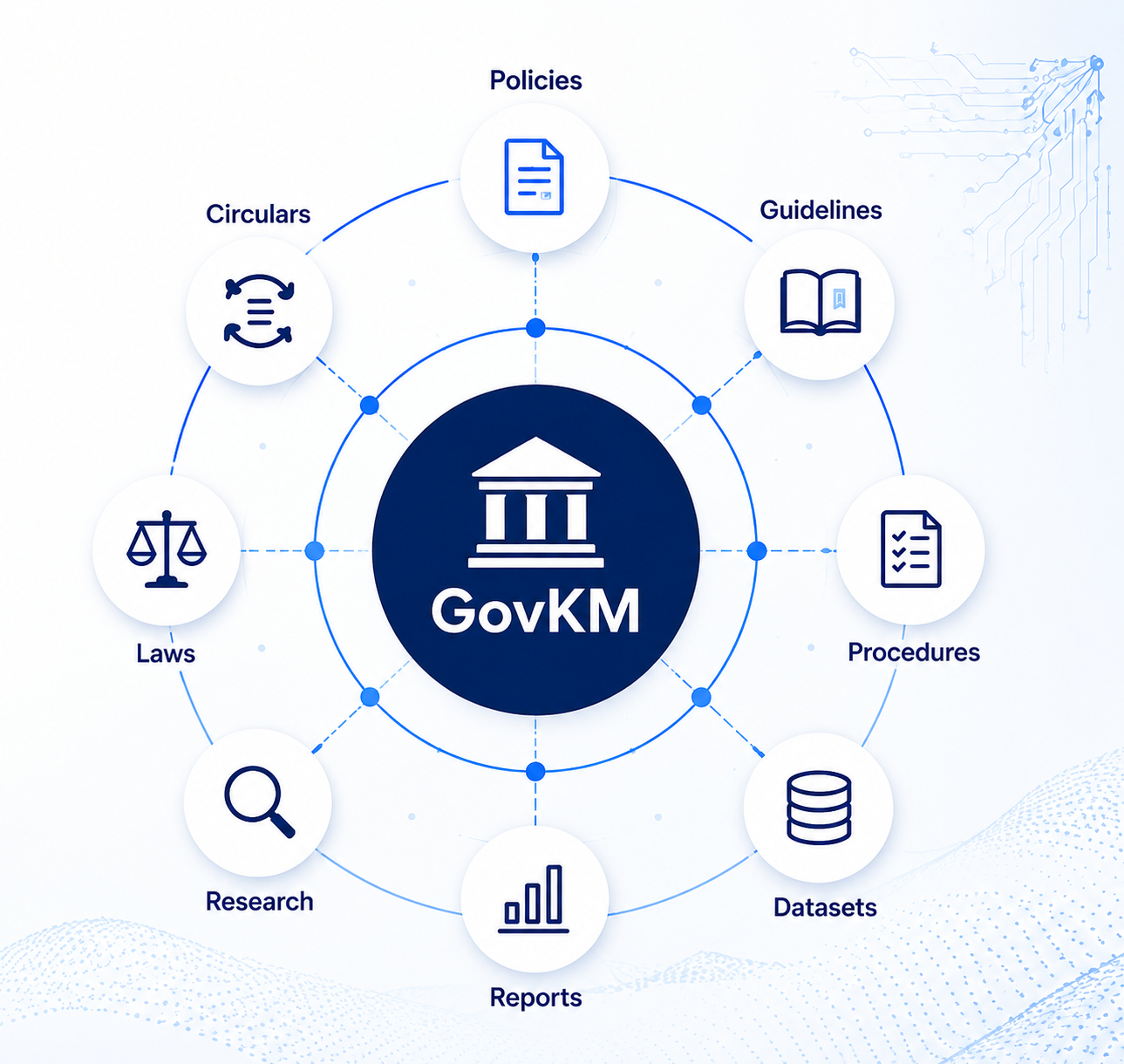
GovKM defines the discipline, architecture, and operating principles required to preserve trusted organizational knowledge as people, systems, technologies, and artificial intelligence change.
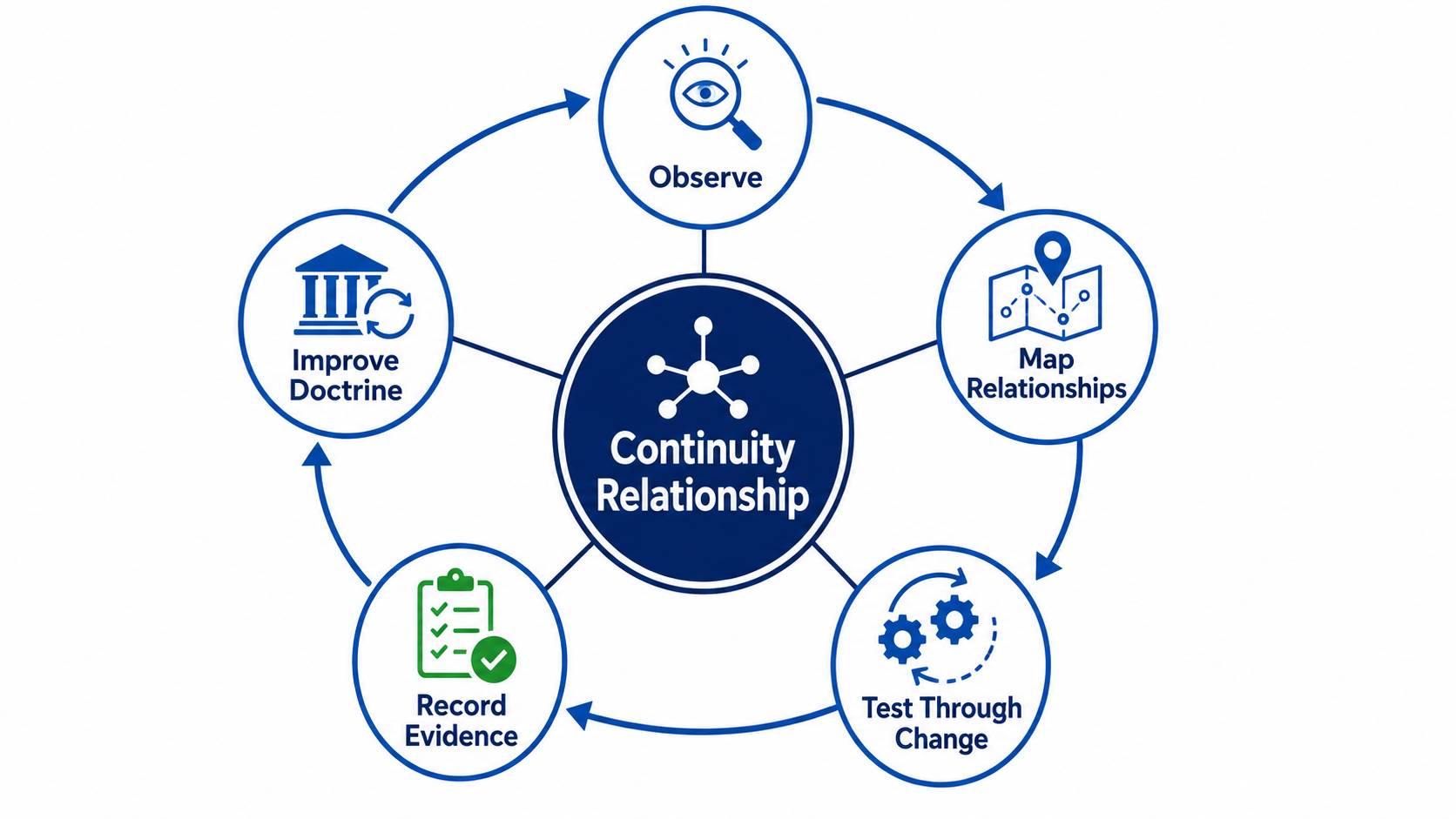
Organizational continuity relationships connecting people, knowledge, technology, and time
THE CONTINUITY PROBLEM

Organizations Are Losing the Relationships That Make Knowledge Trustworthy

Information remains available, but the connections among source, evidence, authority, context, decisions, actions, and institutional memory increasingly disappear as work moves across people, repositories, platforms, and artificial intelligence.
Modern organizations generate more information than ever before, yet the operational relationships that give that information meaning are becoming increasingly difficult to preserve.Critical context is lost when employees depart, systems are replaced, repositories are migrated, and artificial intelligence produces outputs without retaining the authority, evidence, and decision lineage behind them.Traditional disciplines such as records management, knowledge management, information governance, cybersecurity, and business continuity address important portions of this problem. None independently governs the continuity of organizational intelligence as a connected whole. Organizations do not merely need more information. They need the ability to understand, trust, reconstruct, and evolve what they know across time. That requirement is Organizational Continuity.
FRAMEWORK DOMAINS

Framework Domains

Each Framework Domain defines a foundational aspect of Organizational Continuity. Together they establish the relationships required for organizational knowledge to remain understandable, trustworthy, and reusable across time.
Organizational Continuity framework and its connected knowledge relationships

Organizational Continuity

Preserve trusted organizational intelligence across people, technology, organizational change, and time.

Organizational Continuity
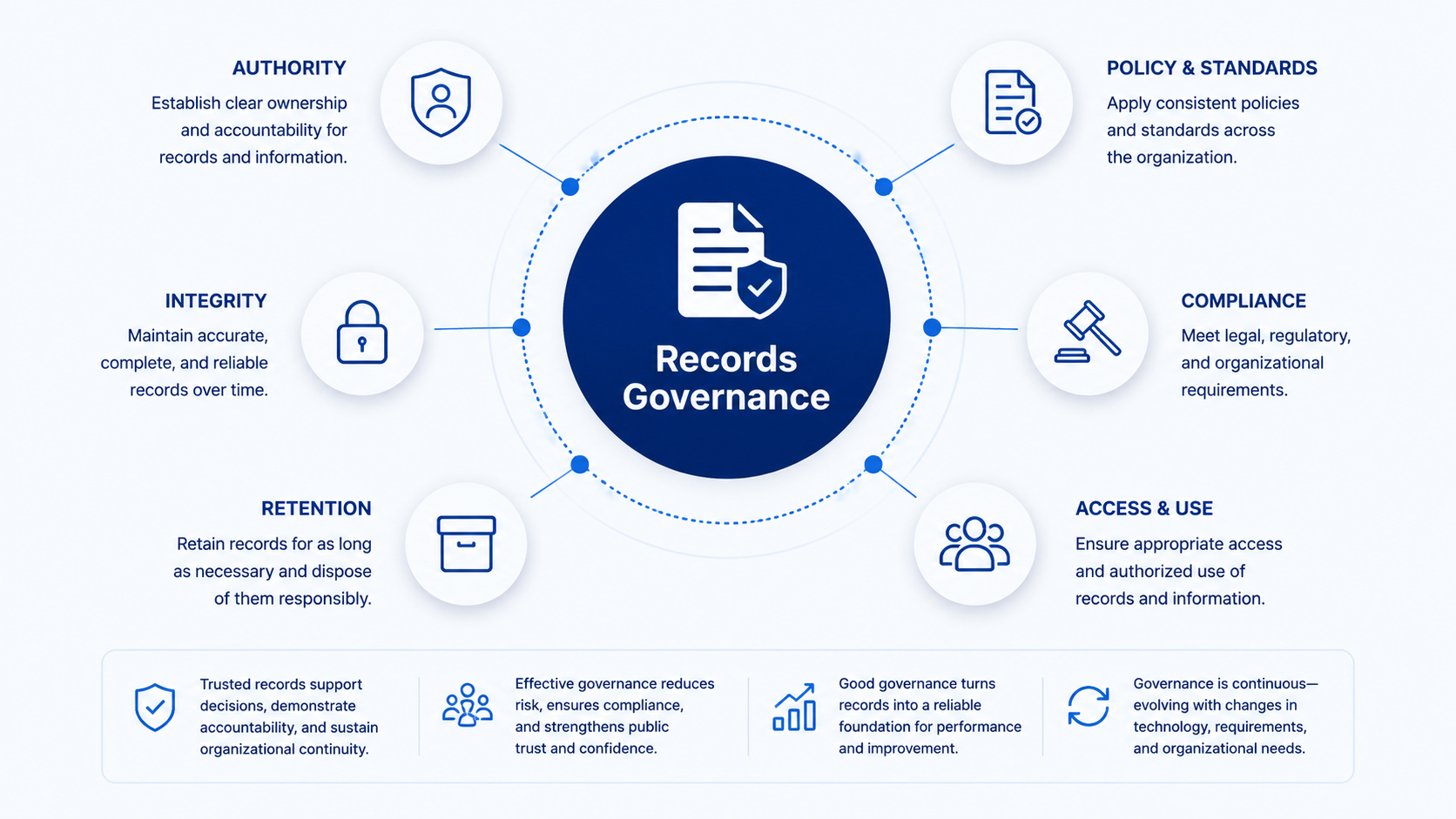
Records Governance framework domain

Records Governance

Govern records as authoritative evidence supporting accountability, compliance, and organizational continuity.

Records Governance
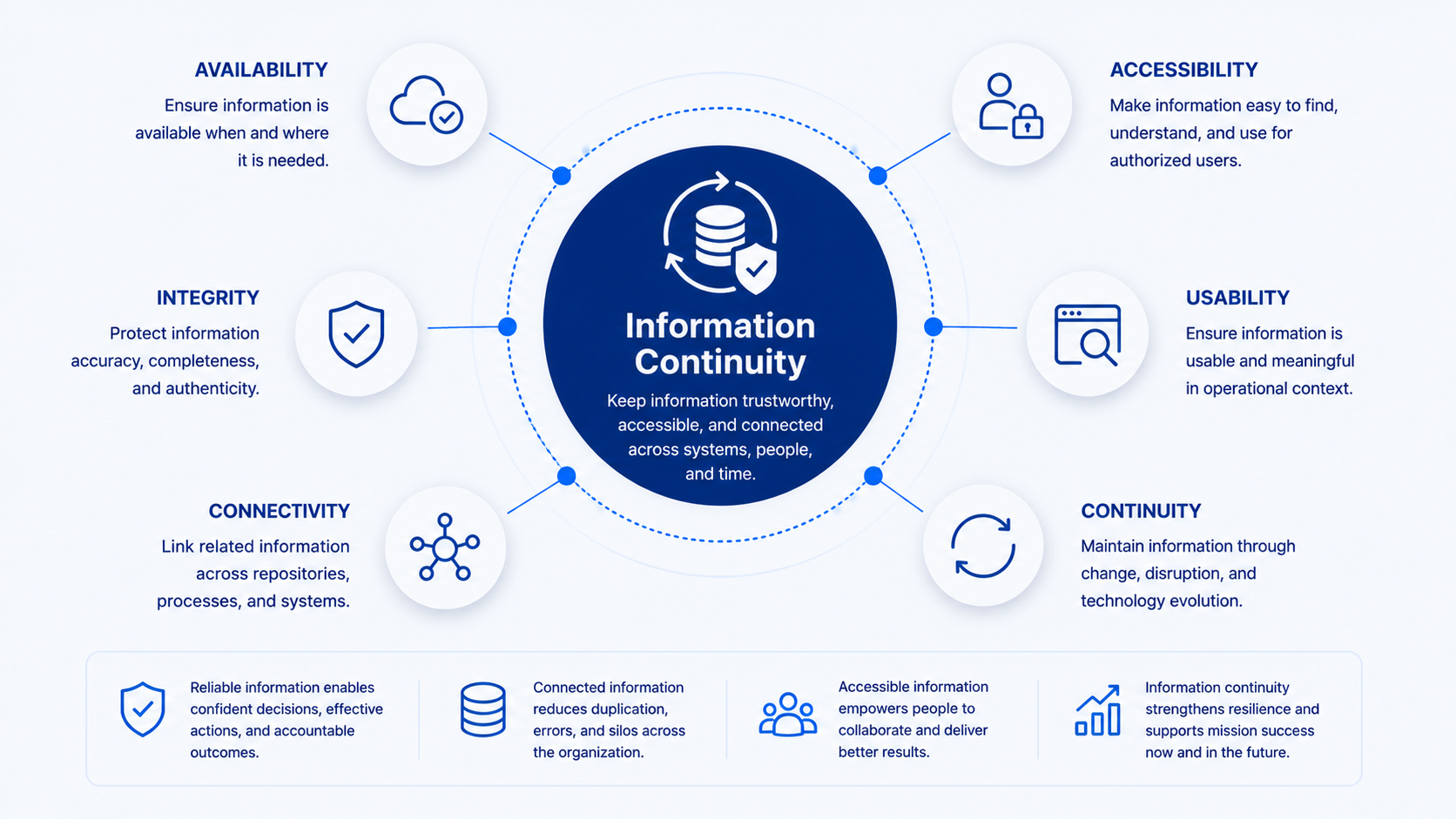
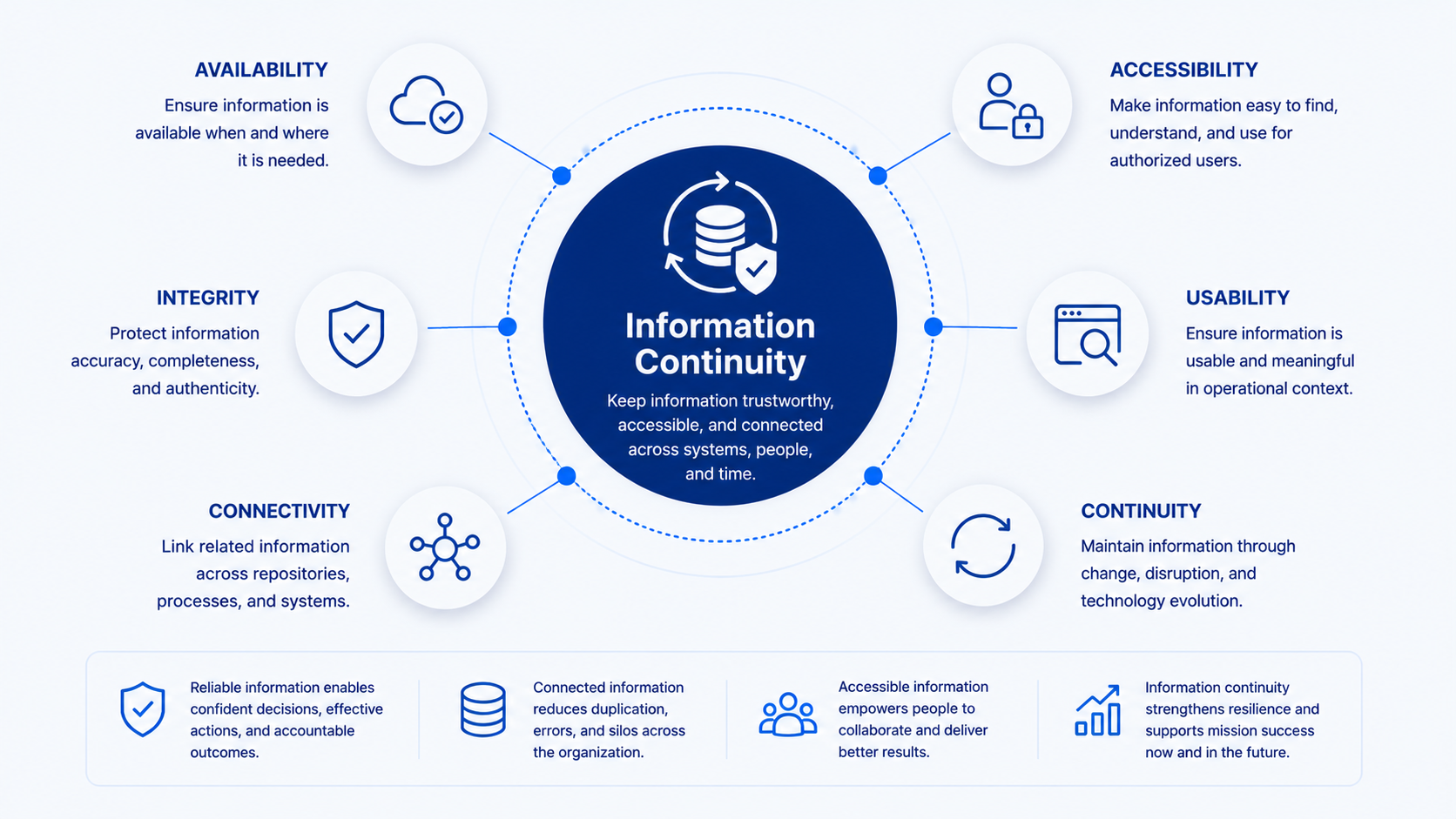
Information Continuity across changing technology

Information Continuity

Keep information trustworthy, accessible, and connected regardless of the technology used to create or manage it.

Information Continuity
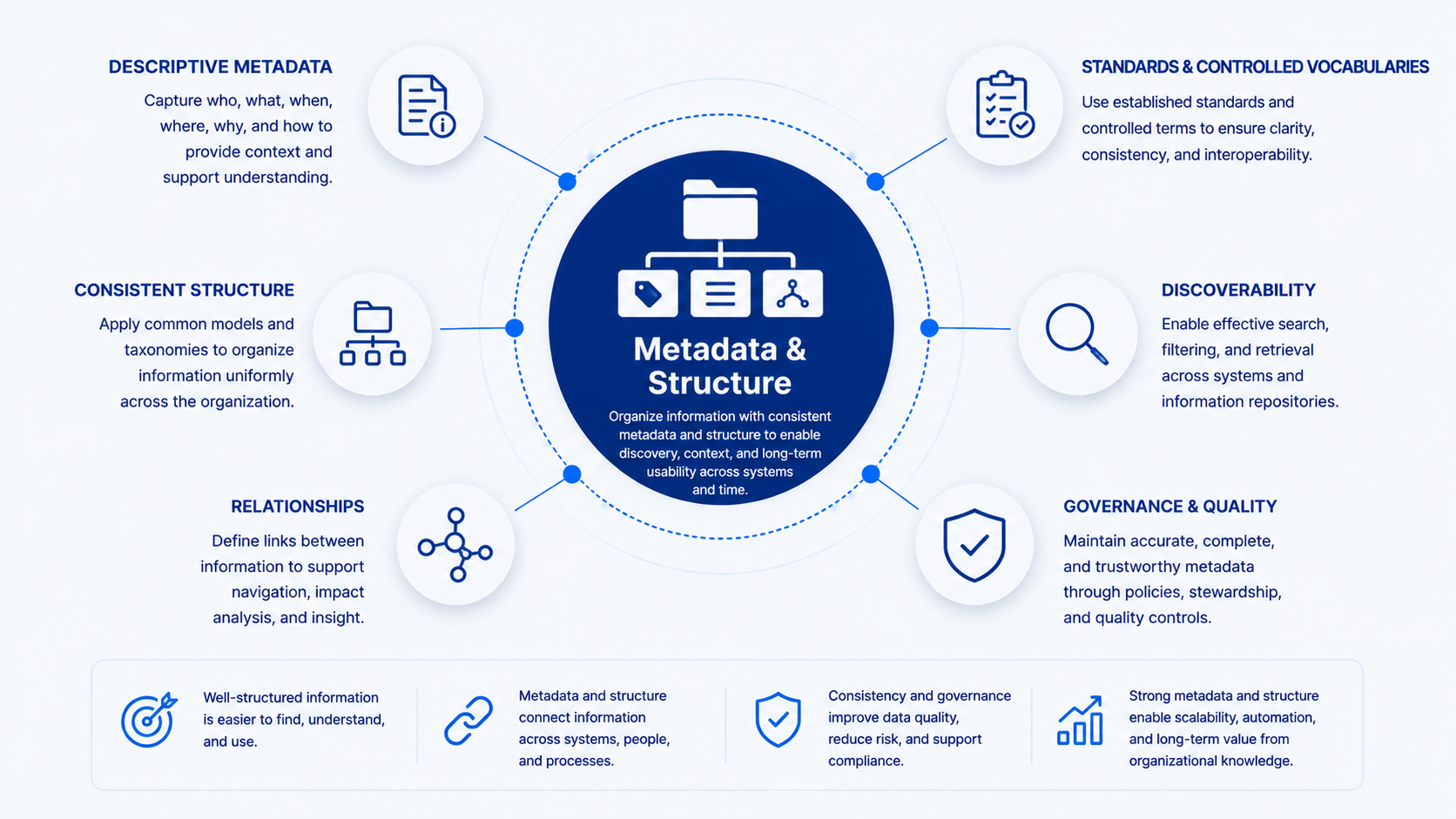
Metadata and Structure framework domain

Metadata & Structure

Build consistent metadata and information structures that preserve discoverability and operational meaning.

Metadata & Structure
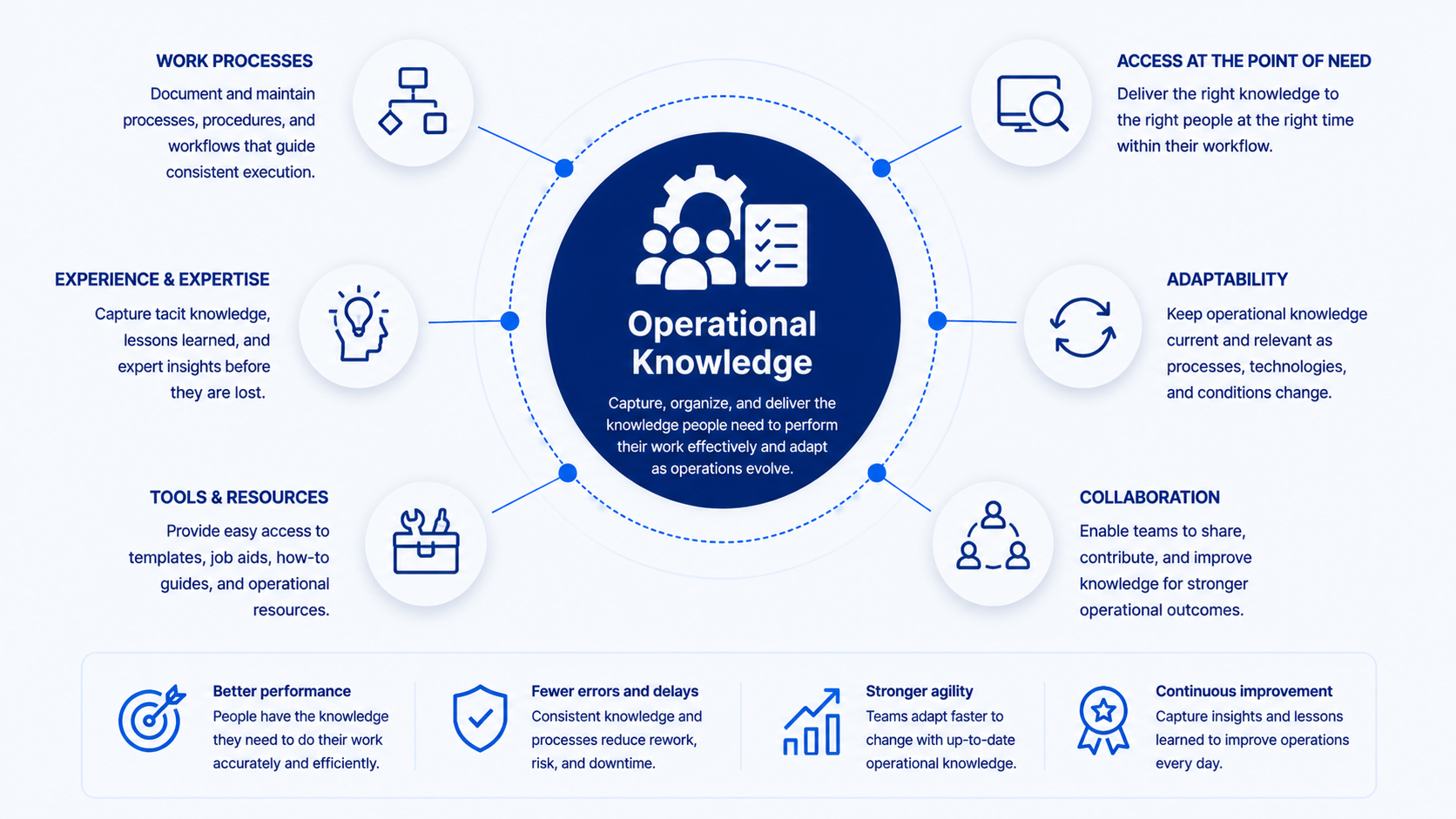
Corporate Operational Knowledge framework domain

Corporate Operational Knowledge

Transform institutional knowledge into a connected operational asset supporting mission execution.

Corporate Operational Knowledge
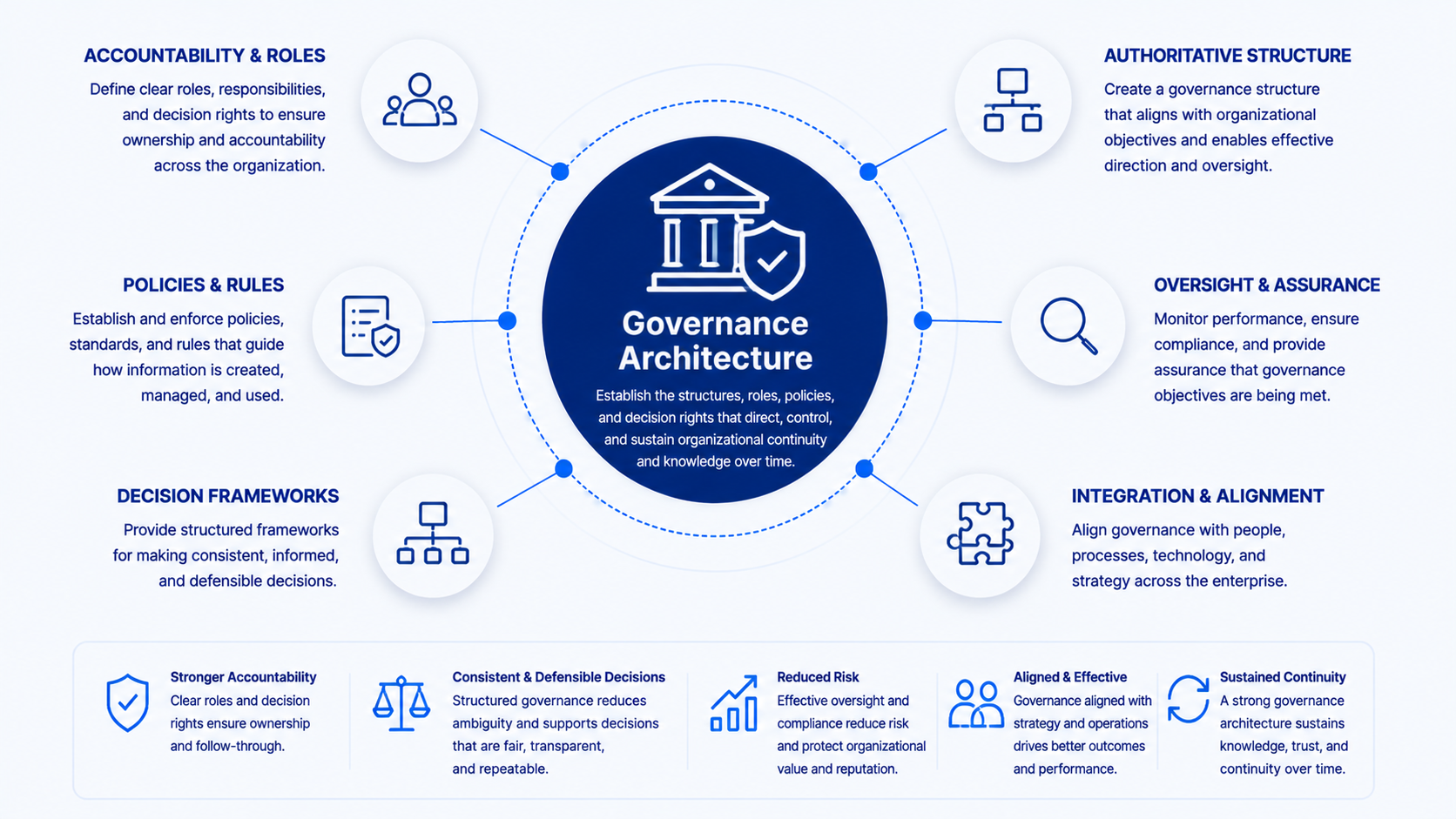
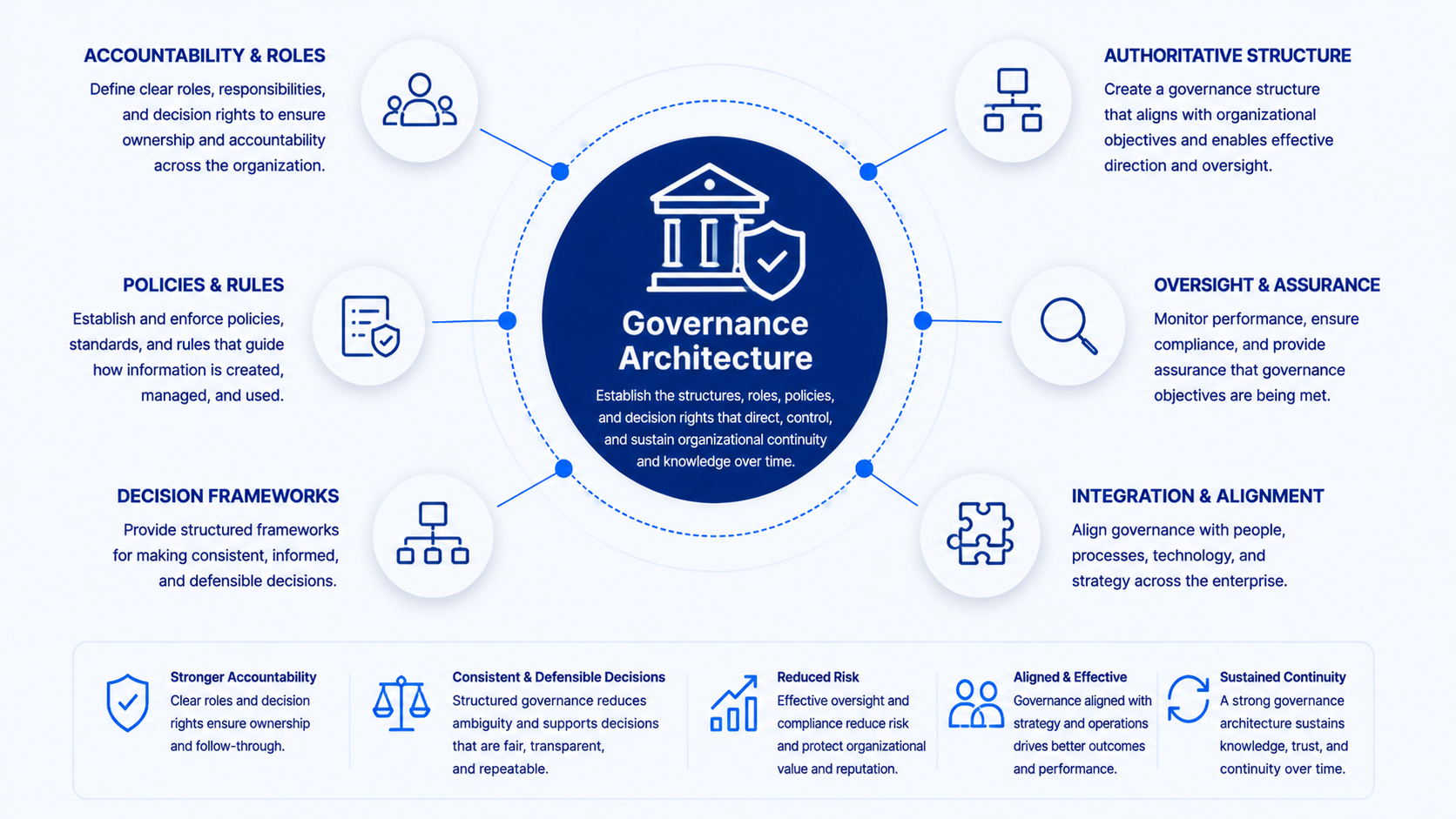
Governance Architecture connecting authority, policy, evidence, and knowledge

Governance Architecture

Design governance structures that connect authority, policy, evidence, and organizational intelligence.

Governance Architecture
FRAMEWORK TOPOLOGY

The Continuity Topology

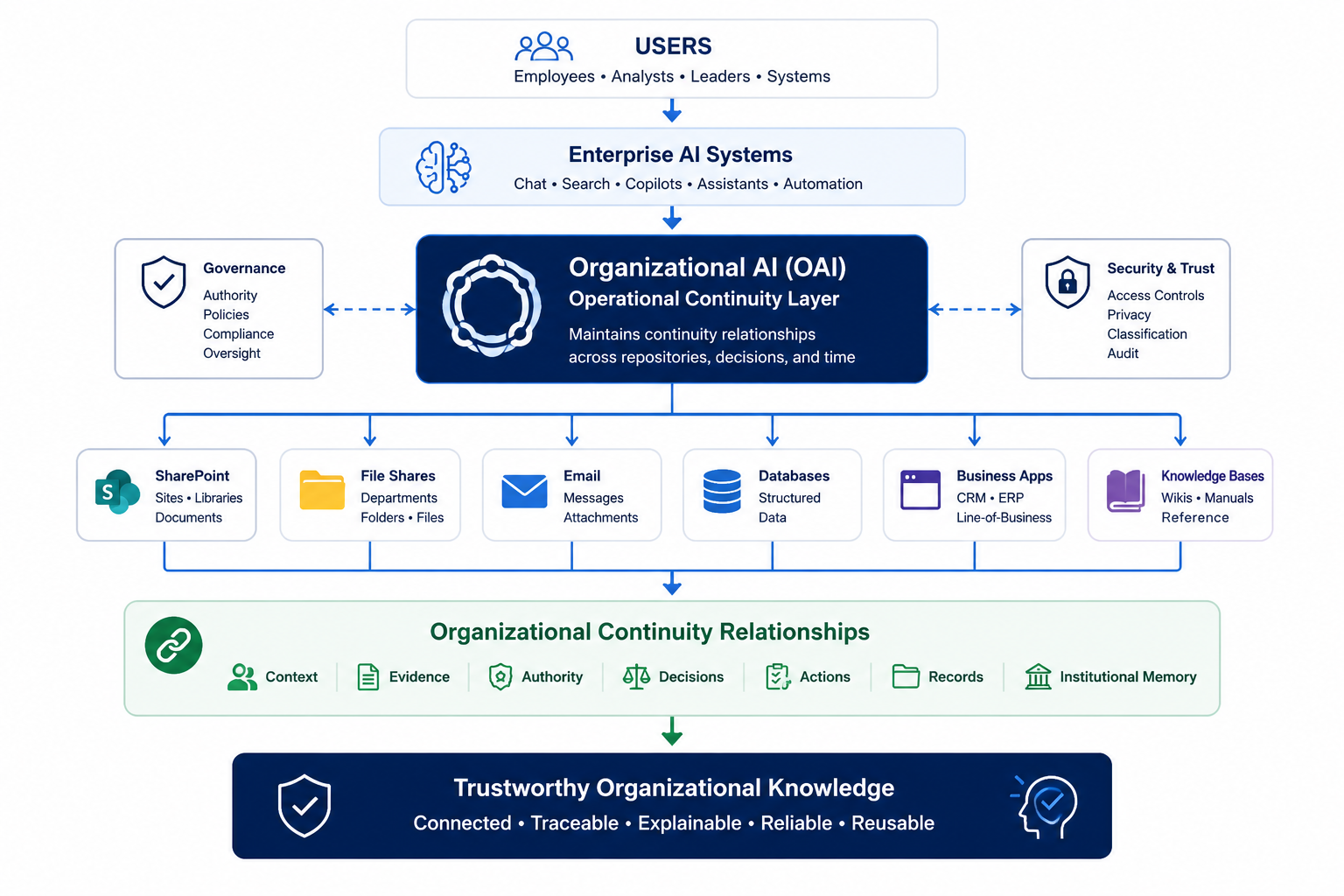
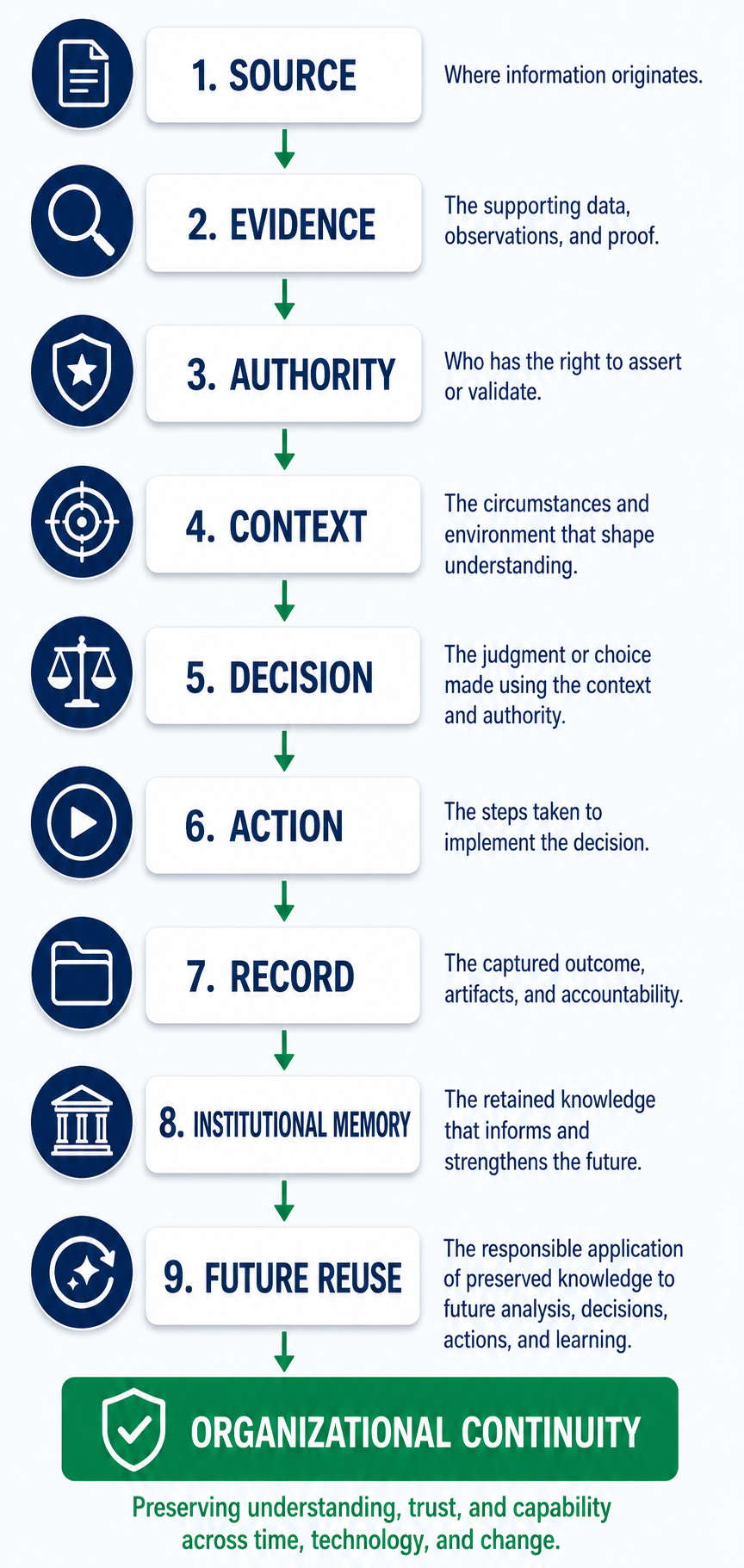
Continuity is preserved through explicit relationships between organizational concepts. The Continuity Topology provides the common structure used by OAI to observe, relate, preserve, and qualify organizational knowledge.
Continuity is not preserved by location alone. It is preserved when source, evidence, authority, context, decision, action, record, and institutional memory remain connected as one governed relationship system.
IMPLEMENTATION

Explore Continuity in Three Dimensions

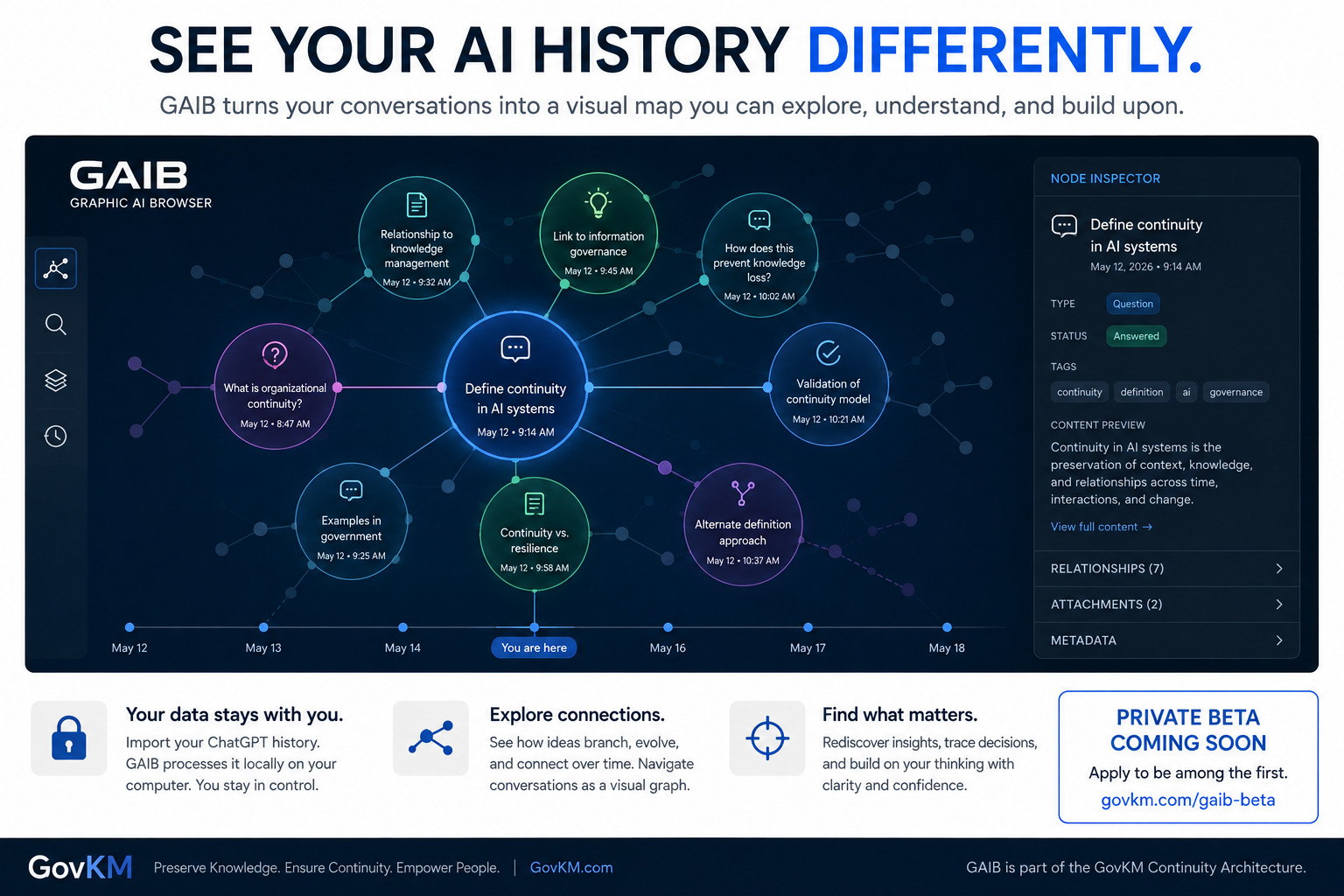
GovKM defines the principles of Organizational Continuity. OAI applies those principles across enterprise knowledge and human–AI interactions. GAIB makes continuity visible through an interactive three-dimensional environment for exploring relationships, provenance, authority, context, and institutional memory.

How GAIB and OAI Preserve Continuity

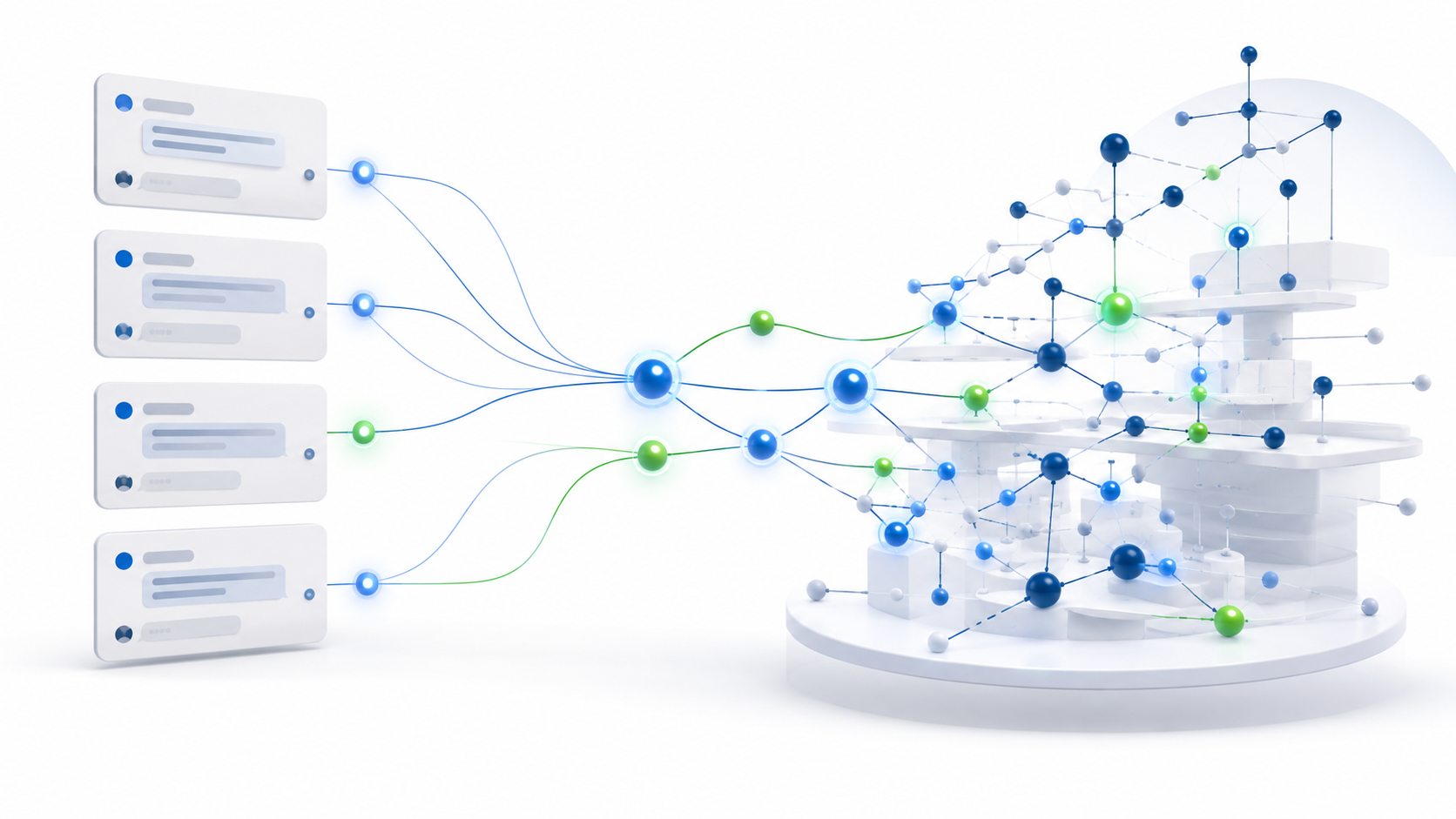
GAIB transforms linear AI interactions into persistent, navigable knowledge structures. Users can see how ideas develop, branch, reconnect, and remain related across time. OAI provides the continuity engine beneath the experience by preserving interaction lineage, provenance, context, authority, and lifecycle state. Together, GAIB and OAI turn continuity from an abstract governance requirement into an explorable operational capability.
  • Explore connected lines of inquiry.
  • Reveal the authority and context behind information.
  • Preserve provenance across human–AI activity.
  • Return to prior work without reconstructing the conversation.
  • Visualize continuity across time and change.
BEGIN WITH CONTINUITY

Build institutional continuity before AI scales institutional risk.

Explore the GovKM framework, examine the knowledge that supports it, and see how OAI and GAIB translate Continuity Architecture into operational practice.